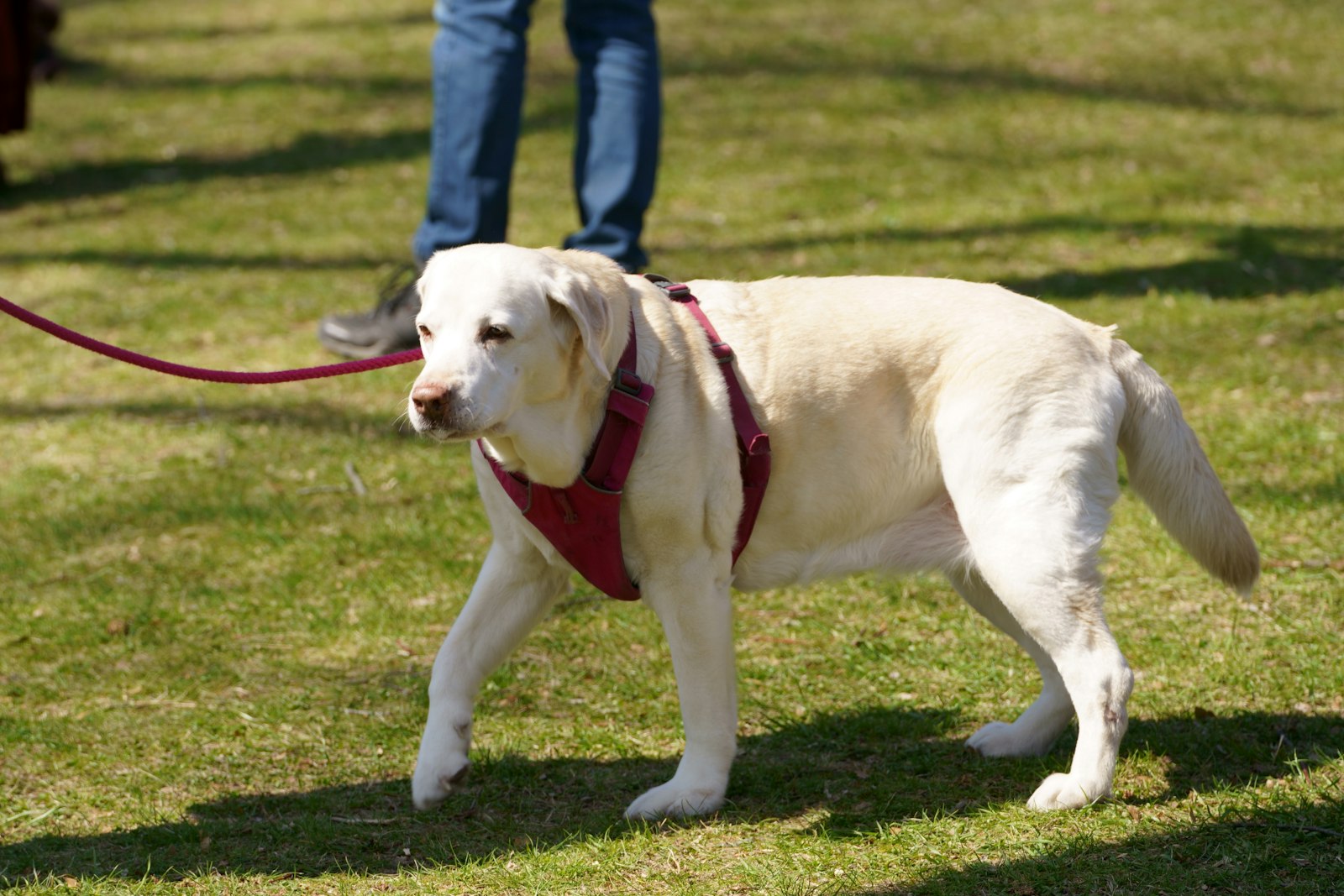
Dog Training in Alameda: How to Choose a Program That Fits Your Dog and Your Daily Life
By Pat and Jerry Anderson
Choosing dog training in Alameda is not just about teaching a few basic cues. What matters more is whether the training helps your dog behave well in the places you actually go together, like neighborhood sidewalks, parks, shoreline paths, and other everyday public spaces.
A dog can look great in a quiet indoor lesson and still struggle once real life shows up. Passing another dog on a walk, staying calm near bikes or strollers, or settling down after excitement at the park can be much harder than practicing in a low-distraction room.
That is why the best training program is usually the one that fits the dog in front of you, your routine, and the kind of daily life you want to have together.
Why training matters in everyday life
Many owners start looking for help because something already feels hard. Maybe their dog pulls on leash, jumps on guests, barks when people come over, ignores cues outside, or gets overstimulated around other dogs. Those are all valid reasons to seek training.
But training is also useful before problems become deeply ingrained. Dogs tend to do better when expectations are clear and routines are consistent. They are often less stressed when they understand what earns rewards, what behavior is expected, and how to settle in stimulating environments.
That matters in Alameda, where many dogs are out and about year-round. Daily walks, time outdoors, and shared public spaces are a normal part of life here. Good training can make those everyday moments easier, safer, and more enjoyable.
What a good training program should help with
Good dog training goes beyond teaching a short list of commands. It should help owners understand how dogs learn, how habits form, and how to reinforce the behavior they want before unwanted patterns take over.
Depending on the dog, training might focus on:
- Leash manners
- Recall and attention
- Polite greetings
- Settling at home
- Impulse control
- Confidence in new environments
- Reducing overexcitement around people or dogs
- Improving owner timing and communication
Not every dog needs the same level or style of help. Some need a strong foundation and better follow-through at home. Others need slower, more thoughtful work because fear, frustration, or overstimulation is part of the picture. The right program should match the dog, not force every dog into the same template.
How to tell if a training option is a good fit
When you start comparing dog training options in Alameda, a lot of services can sound similar on the surface. Group classes, private lessons, board-and-train programs, puppy basics, and obedience packages may all promise better behavior. What matters is how the training is delivered and whether it fits your dog and your life.
Does the trainer explain the process clearly?
You should be able to understand what skills are being taught, how progress will be measured, and what you will need to do between sessions. Training usually works best when owners are actively involved. If the plan sounds vague, overly fast, or disconnected from home practice, that is worth noticing.
Does the approach fit your dog’s temperament?
A social, energetic young dog may do well with structured practice around distractions. A nervous or easily overwhelmed dog may need quieter sessions and a slower build. Trainers who talk about adjusting the plan to the individual dog are usually a better sign than those who offer the same formula for every case.
Will the training carry over into real life?
This is a big one. In Alameda, many dogs are not living sheltered lives. They are walking through residential blocks, passing other dogs, heading toward parks, or spending time in busier public areas. Training should eventually help the dog succeed in those real settings, not just during lessons.
Are the expectations realistic?
Solid trainers usually talk about repetition, consistency, management, and gradual progress. Be careful with promises that sound too absolute or too quick. Lasting behavior change usually comes from practice and clear guidance, not shortcuts.
Group classes, private lessons, or a mix?
Different training formats work for different dogs and owners.
Group classes can be a good fit for dogs who are ready to practice around mild distractions and for owners who want structure at a lower entry cost. They often work well for foundation skills.
Private training can make more sense when the problem is very specific, mostly happens at home, or involves anxiety, reactivity, or scheduling challenges. One-on-one sessions can also be useful when you need help with your exact routines and environment.
A hybrid approach is often a practical middle ground. Some dogs do best starting in private sessions and moving into a group setting later. Others begin in class and then need individual help for a few sticking points.
There is no perfect format for every dog. The better question is what your dog can handle right now and what kind of support will help you follow through.
What Alameda owners may want from training
Local context should not be overdone, but it does matter. Many Alameda dog owners want a dog who can walk calmly through neighborhood routes, stay responsive around everyday activity, and recover well after exciting outings.
That is one reason life-skills training tends to matter so much here. Owners are not just looking for a dog who can perform cues in a quiet vacuum. They want a dog who can function well during normal daily life.
A dog who gets overaroused at the park may need help with engagement, recovery, and impulse control before more freedom is a good idea. A dog who seems easy on a quieter walk may still struggle in a busier part of town. Real progress comes from teaching the dog how to respond across different environments, not just the easiest one.
Signs your dog may need help sooner rather than later
Some owners wait and hope a dog will grow out of certain behaviors. Sometimes maturity helps, but many everyday problems get stronger with repetition.
It may be time to look into training if your dog:
- Pulls hard on walks
- Tunes you out outside
- Jumps on guests
- Gets frantic around other dogs
- Struggles to settle after exercise
- Barks or lunges when startled
- Treats every outing like a full-speed event
That does not mean you have a bad dog. More often, it means your dog needs clearer teaching, better structure, and practice at the right level of difficulty.
What owners should expect from themselves
One of the biggest parts of dog training is the human side. Even a very good trainer cannot replace daily follow-through. Dogs learn through repetition, timing, and consistency, and small choices add up quickly.
If one person rewards calm greetings while someone else accidentally reinforces jumping, progress gets messy. Most owners do better with short, repeatable practice sessions instead of expecting one long session to fix everything. Five focused minutes often helps more than thirty scattered ones.
The goal is not perfection. It is consistency strong enough that your dog starts to understand the pattern.
That is also why the best training often looks less dramatic than people expect. It is usually not about flashy tricks or a single breakthrough moment. It is about enough small wins, repeated often enough, that better behavior starts to feel normal.
Choose the program that fits the life you actually share
At its best, dog training in Alameda should make daily life easier, not just produce a few polished moments in class. The right program should help your dog understand what to do, help you communicate more clearly, and make walks, outings, and time at home feel less stressful.
If you are comparing training options, look past the sales language and focus on fit. Look for a trainer or program that understands your dog, prepares you for real follow-through, and teaches skills that carry into the places you actually go together.
The goal is not a robot dog. It is a dog who can succeed in real life with you.